

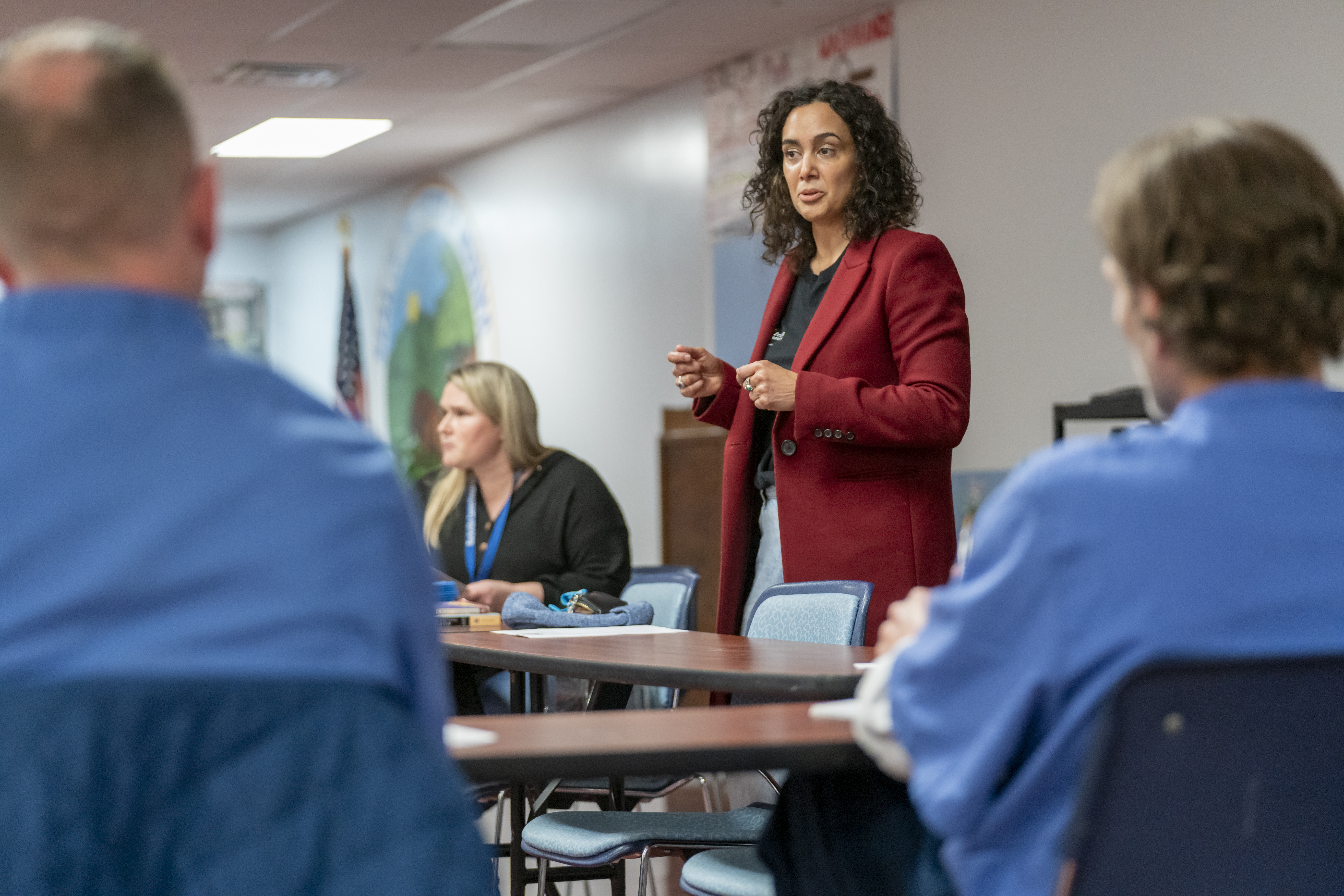
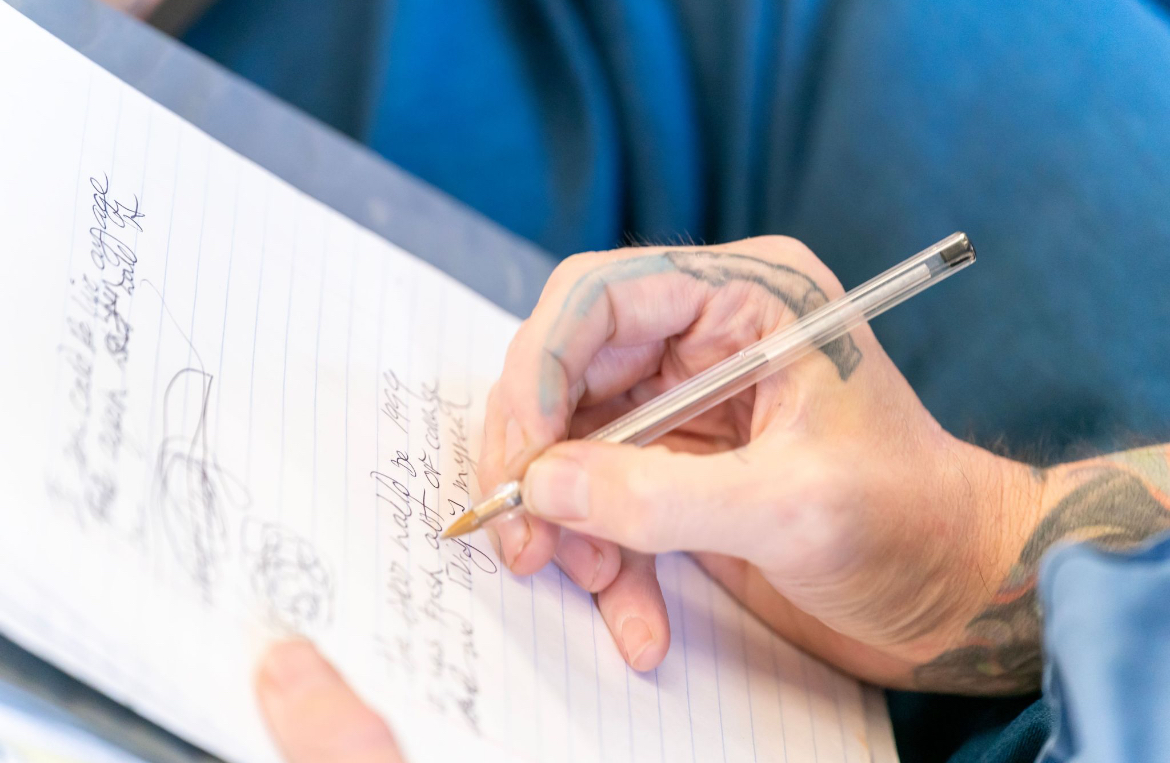
Programs that help people learn and grow while in prison have long been an important strategy for reducing incarceration rates and supporting their success on their return home. The programs include college courses, life training skills, and creative arts initiatives that help individuals prepare for life after their release. They are active in over 30 states and operated by a mix of state departments of corrections, universities, and nonprofit organizations to support rehabilitation, personal growth, and successful reintegration into society.
Although arts programs are popular in prisons, few have been carefully studied to understand their impact. Researchers from the Center for Health and Justice Research (CHJR) at the Indiana University Public Policy Institute partnered with the Indiana Prison Writers Workshop (IPWW) to investigate its impact on recidivism, meaning an individual’s return to prison for violating parole or probation rules or committing a new offense after serving a sentence in the Indiana Department of Correction.
CHJR and IPWW estimated recidivism rates for IPWW participants and compared them to a matched sample of nonparticipants with similar demographic and case characteristics. This brief highlights the study’s key findings, offering practical suggestions for strengthening IPWW’s role in supporting rehabilitation and successful reentry.
